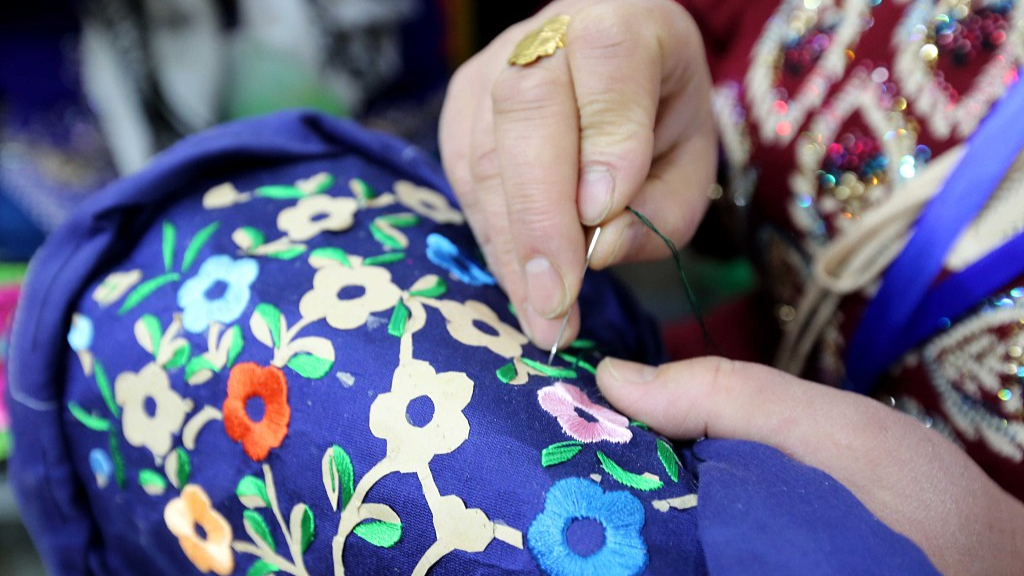
Uygur Embroidery
Introduction
Uygur embroidery is a traditional craft deeply rooted in the cultural heritage of the Uygur ethnic group, primarily found in Hami prefecture in the Xinjiang Uygur autonomous region of China. This intricate art form reflects the confluence of Islamic civilization and influences from Han, Manchu, and Buddhist cultures. Embroidery holds a significant place in Uygur traditions, often serving as a vital skill mastered by young girls to adorn household items, particularly in preparation for marriage. The patterns and designs of Uygur embroidery are celebrated for their ethnic distinctiveness, prominently featured on doppas (traditional caps), pillows, clothing, and other daily-use items.
Cultural Significance
Uygur embroidery is more than a decorative art; it is a cultural expression that embodies the history, traditions, and values of the Uygur people. In Hami, embroidery has been practiced for over 400 years, with its techniques and designs passed down through generations. The craft is closely tied to significant life events, such as weddings, where mothers traditionally create embroidered bedding, including pillows and cushions, as part of their daughters' dowries. This tradition not only preserves the art form but also strengthens familial bonds.
The patterns in Uygur embroidery often feature motifs inspired by nature, such as brightly colored flowers, animals, and classic Han designs like peonies, fingered citrons, lotuses, chrysanthemums, and plum blossoms. These designs reflect the cultural patchwork of Hami, which was an important post on the ancient Silk Road, absorbing influences from both Eastern and Western civilizations. The embroidery serves as a tangible link to the region's rich history and its role as a cultural crossroads.
Embroidery also plays a therapeutic role for practitioners, as described by embroiderers like Kader Rahman, who find solace and joy in the act of stitching. The craft fosters a sense of community, with artisans often collaborating and sharing techniques, ensuring the art form's continuity and evolution.
Techniques and Patterns
The techniques used in Uygur embroidery are diverse and intricate, showcasing the artisans' skill and creativity. The craft incorporates methods from renowned embroidery schools in Beijing and Suzhou, including flat stitches, knotted stitches, crouching stitches, cross stitches, and stamped embroidery. Each technique contributes to the unique texture and visual appeal of the finished pieces.
Patterns in Uygur embroidery are characterized by their vibrant colors and detailed designs. Popular motifs include floral arrangements, animals, and geometric shapes, often combined to create visually striking compositions. The designs are not only aesthetically pleasing but also carry symbolic meanings, reflecting the cultural and spiritual beliefs of the Uygur people.
The Hami Uygur embroidery school is particularly noteworthy for its academic value, offering insights into the diverse cultures and traditions of the Uygur community. The school's patterns and techniques serve as a rich resource for researchers and artisans alike, highlighting the depth and complexity of this art form.
Materials and Tools
The materials and tools used in Uygur embroidery are carefully selected to ensure the quality and durability of the finished products. Silk threads in vibrant colors are commonly used, reflecting the region's historical connection to the Silk Road. Other materials include cotton and wool, depending on the intended use of the embroidered item.
Tools such as needles, frames, and scissors are essential for the craft. Artisans often use wooden embroidery frames to keep the fabric taut, allowing for precise stitching. The choice of tools and materials varies based on the specific techniques employed and the desired outcome, showcasing the adaptability and resourcefulness of Uygur embroiderers.
Modern Developments
In recent years, Uygur embroidery has experienced a resurgence, driven by efforts to preserve and promote the craft. Artisans like Ranagul Sopi and Kader Rahman have played pivotal roles in revitalizing the tradition, combining ancestral practices with modern trends. Ranagul Sopi, for instance, has brought Uygur embroidery to international platforms like the Paris Haute Couture Week, showcasing its potential in high fashion.
The establishment of embroidery workshops and cooperatives has further contributed to the craft's growth. In Hami, over 230 companies have been founded, providing employment opportunities for more than 5,600 part-time embroiderers. These initiatives have not only preserved the art form but also helped lift many artisans out of poverty.
Government support has been instrumental in this revival, with policies aimed at training artisans, promoting their work, and expanding market opportunities. The development of innovative products, such as embroidered earphones and notebooks, has introduced Uygur embroidery to new audiences, ensuring its relevance in contemporary society.
As Uygur embroidery continues to evolve, it remains a testament to the resilience and creativity of the Uygur people, preserving their cultural heritage while adapting to the demands of modern life.








